
What Is NAD+ and Why Does It Matter? The molecule everyone is talking about
- Dr. Mordeana Williams
- 15 hours ago
- 3 min read

Have you ever wondered why your energy, recovery, and resilience seem to change as you get older? While many factors contribute, one molecule that has gained significant attention in wellness and longevity research is NAD+ (Nicotinamide Adenine Dinucleotide).

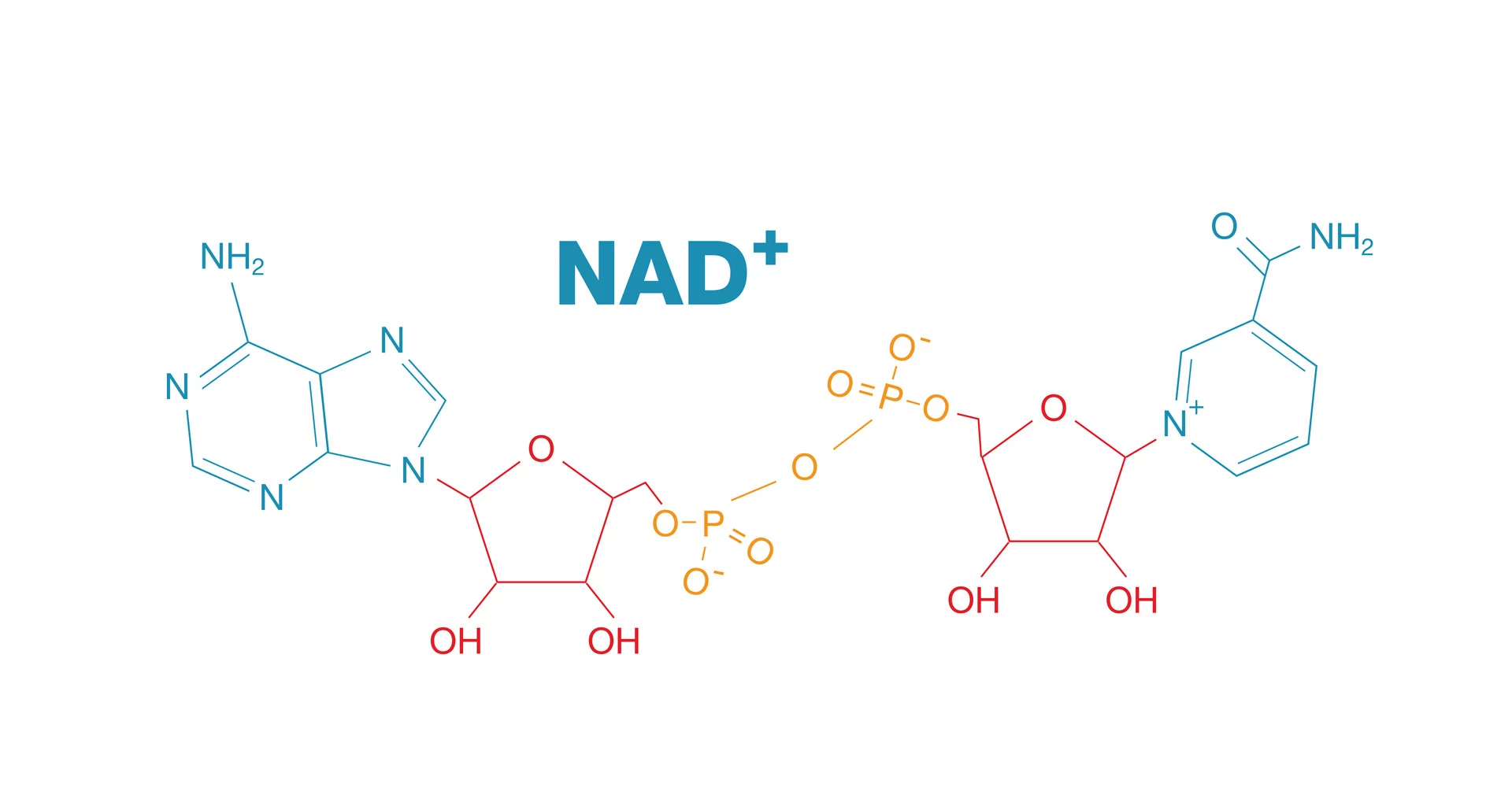
NAD+ is a coenzyme found in every living cell of your body. Although it's not as well-known as vitamins or minerals, it is essential for life. Every cell depends on NAD+ to produce energy, repair damage, communicate effectively, and function properly. Simply put,
without NAD+, your cells couldn't survive.
Why Is NAD+ Important?
One of NAD+'s primary roles is helping your cells produce ATP, the energy that powers everything your body does—from your heartbeat and brain function to muscle movement and metabolism.
NAD+ also supports many essential processes, including:
Energy production
DNA repair
Healthy brain function
Muscle performance
Cellular communication
Protection of the mitochondria, the "powerhouses" of your cells
When your cells have the resources they need to function efficiently, your entire body benefits.
NAD+ and Healthy Aging
Every day, your cells experience stress from normal aging, environmental factors, poor sleep, inflammation, and everyday metabolism. Your body has natural repair systems to help fix this damage, and NAD+ plays a critical role in powering those systems.
NAD+ activates enzymes involved in repairing damaged DNA and supports proteins called sirtuins, which help regulate cellular repair, metabolism, and healthy aging.
As we age, however, NAD+ levels naturally decline. This decrease often begins in our 30s and may be accelerated by chronic stress, poor nutrition, smoking, excessive alcohol, lack of exercise, and inadequate sleep.

Lower NAD+ levels have been associated with:
Reduced energy
Slower recovery
Decreased stamina
Increased oxidative stress
Less efficient cellular repair
While declining NAD+ is not the cause of every symptom associated with aging, researchers believe it may contribute to the body's reduced ability to recover and maintain optimal cellular function.
Supporting Healthy NAD+ Levels
Although aging is inevitable, healthy lifestyle habits can help support your body's natural production of NAD+.
These include:

Eating a nutrient-rich diet
Exercising regularly
Getting quality sleep
Managing stress
Staying hydrated
Avoiding smoking
Limiting excessive alcohol consumption
Some individuals also explore NAD+ precursor supplements or NAD+ IV therapy under the guidance of a qualified healthcare provider. Research in this area continues to evolve, and scientists are studying who may benefit most from these approaches.
NAD+ Is the "Currency" of Cellular Energy
One of the most important roles of NAD+ is helping your cells make energy.
Inside your cells are mitochondria—often called the "powerhouses" of the cell. These tiny structures convert the food you eat into usable energy.
NAD+ helps transfer energy during this process.
Without enough NAD+, your cells may struggle to produce energy efficiently.
Signs that your cells may be under stress can include:
Low energy
Poor exercise recovery
Feeling tired despite adequate rest
Reduced stamina
At Vita Mineral IV Therapy & Wellness, our premium NAD+ IV Therapy is designed to support your body's natural cellular energy, recovery, and overall wellness. By delivering NAD+ directly into your bloodstream, IV therapy bypasses the digestive system for efficient absorption, helping nourish your cells where they need it most. Whether your goal is to support healthy aging, enhance recovery, or optimize your wellness routine, NAD+ IV Therapy can be part of a personalized plan tailored to your needs.
Interested in learning more? Schedule a consultation or book your appointment today by calling 516-709-1153 or visiting us at 248-47 Jericho Turnpike, Bellerose, NY 11426. Discover how supporting your cellular health today can help you build a stronger foundation for tomorrow's wellness.


Comments